

Assessing Your Driveway: Key Signs You Need Asphalt Repair or Complete Replacement
A clear assessment of your asphalt driveway preserves its integrity and extends service life. Certain visible signs indicate whether a repair or full replacement is appropriate. Early detection prevents more extensive, costlier work. This guide outlines the key indicators—such as cracks and potholes—how driveway age and cost factors affect the repair versus replacement decision, and how routine maintenance improves longevity. Towards the end, we highlight the expertise of Arrow Asphalt, offering insights into how their services can assist in driveway assessments.
What Are the Common Signs Your Asphalt Driveway Needs Repair?
Recognizing common defects allows homeowners to act before problems escalate. Ignoring early warning signs can lead to larger repairs or full replacement. Regular vigilance ensures driveways remain safe and functional.
How To Identify Asphalt Cracks, Potholes, and Surface Deformations
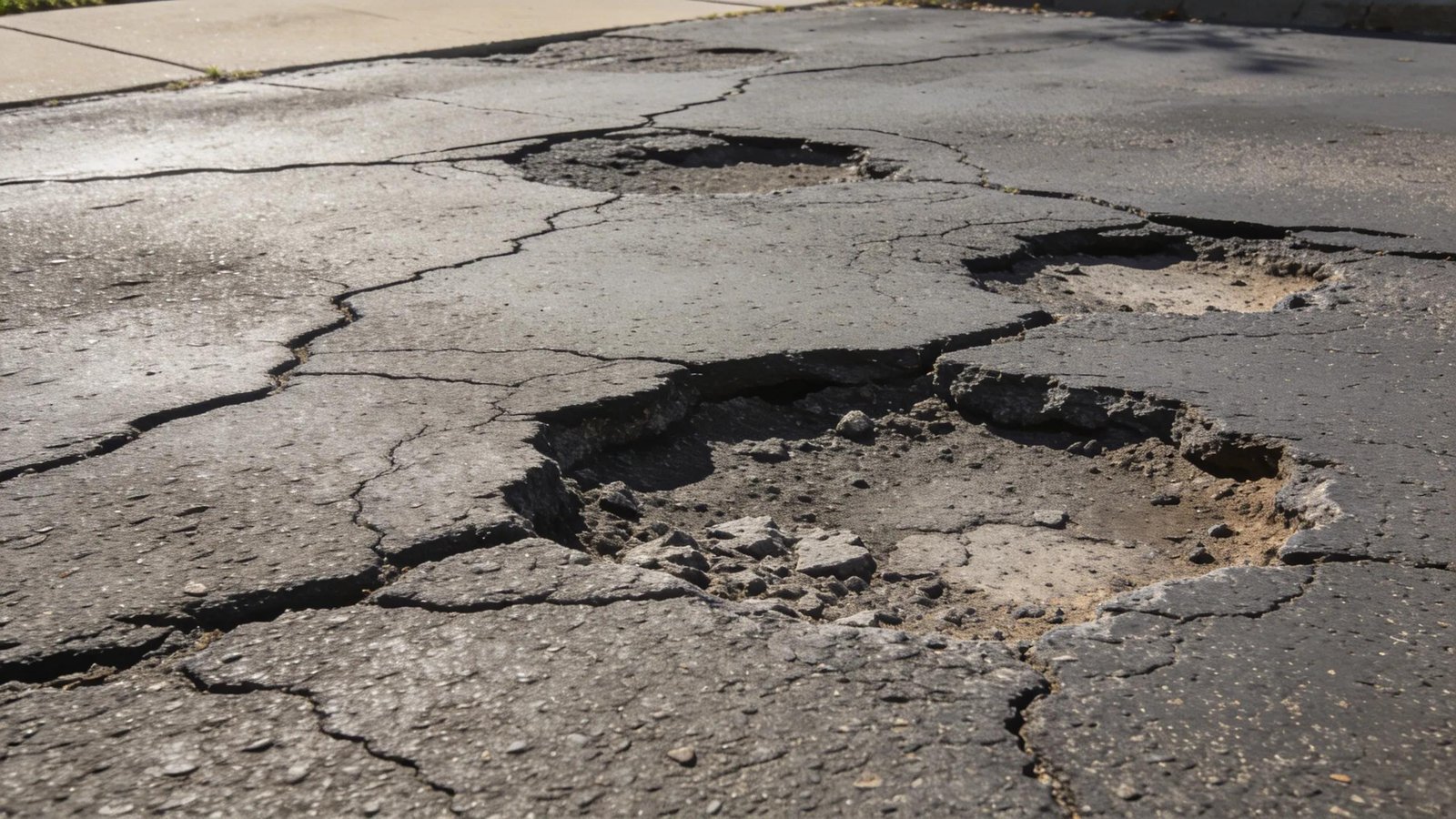
Regular visual inspections reveal wear such as cracks, potholes and surface deformation. Inspect the surface closely and note any areas of deterioration or irregularity.
- Cracks: Small cracks can expand over time due to weather conditions and heavy traffic.
- Potholes: These are depressions that occur when the surface has eroded, often becoming a safety hazard.
- Raveling: This occurs when the surface aggregate is loosened, leading to defects in the asphalt.
Timely repairs limit deterioration and reduce overall repair costs.
When Is Sealcoating Necessary to Maintain Your Driveway Condition?
Sealcoating protects asphalt from UV exposure, moisture and chemical damage. It is typically applied every 2 to 3 years, depending on exposure and traffic. The treatment helps preserve the surface and delay more intensive repairs.
- Protection from Damage: Creates a barrier against water and oil penetration.
- Enhanced Appearance: Provides a fresh, dark finish that improves aesthetics.
- Extended Lifespan: Offers additional durability to the asphalt surface.
If the surface shows wear or fading, schedule sealcoating as part of a regular maintenance plan.
When Should You Consider Complete Replacement of Your Asphalt Driveway?
Repairs address many problems, but some conditions require complete replacement. Recognizing those conditions early can save homeowners money over the long term.
What Are the Structural Failure Signs Indicating Replacement?
Indicators of structural failure often include:
- Severe Cracking: If cracks are widespread and have formed a pattern, it may indicate serious underlying issues.
- Large Potholes: If potholes are frequent and large, the base may have deteriorated significantly.
- Inability to Resurface: When repairs fail to hold, and sealcoating becomes ineffective, it’s a sign that the foundation is compromised.
Structural failures generally require full reconstruction to restore safety and function.
How Does Driveway Age Influence the Replacement Decision?
Driveway age is a key factor. Asphalt typically performs for roughly 15 to 20 years depending on maintenance and usage. Consider age alongside current condition when weighing repair against replacement.
- Signs of Aging: If the driveway shows significant wear and it exceeds its average lifespan, replacement may be more cost-effective.
- Cost of Repairs: Over time, if the cost of repairs approaches the cost of a new driveway, replacement becomes a viable option.
Evaluating age together with visible damage helps homeowners choose the most cost-effective option.
What Are the Cost Factors for Asphalt Driveway Repair Versus Replacement?
Cost is a primary consideration when choosing between repair and replacement. Homeowners should assess both immediate expenses and projected long-term maintenance costs.
How Can Proper Asphalt Driveway Maintenance Extend Its Lifespan?
A consistent maintenance program significantly extends an asphalt driveway’s service life. Scheduled, simple tasks reduce the need for major repairs and preserve surface integrity.
What Are the Benefits of Regular Sealcoating and Pothole Filling?
- Cost-Effectiveness: Regular maintenance reduces the likelihood of large repair costs later.
- Improved Lifespan: A well-maintained driveway can last well beyond its typical lifespan.
- Visual Appeal: Keeping the surface intact improves your home’s curb appeal.
Prioritizing maintenance delivers measurable savings and keeps your property looking its best.
How To Conduct Routine Cleaning and Inspection for Early Damage Detection
Routine maintenance practices should include:
- Cleaning Debris: Remove leaves, dirt, and other debris that may trap moisture.
- Inspecting for Damage: Look for cracks, discoloration, and surface irregularities.
- Prompt Repairs: Address any minor damage as soon as it appears to prevent more extensive issues.
Following these steps enables early detection and timely repairs, preserving the driveway’s condition.
How Does Arrow Asphalt Provide Expert Assessment and Reliable Service?
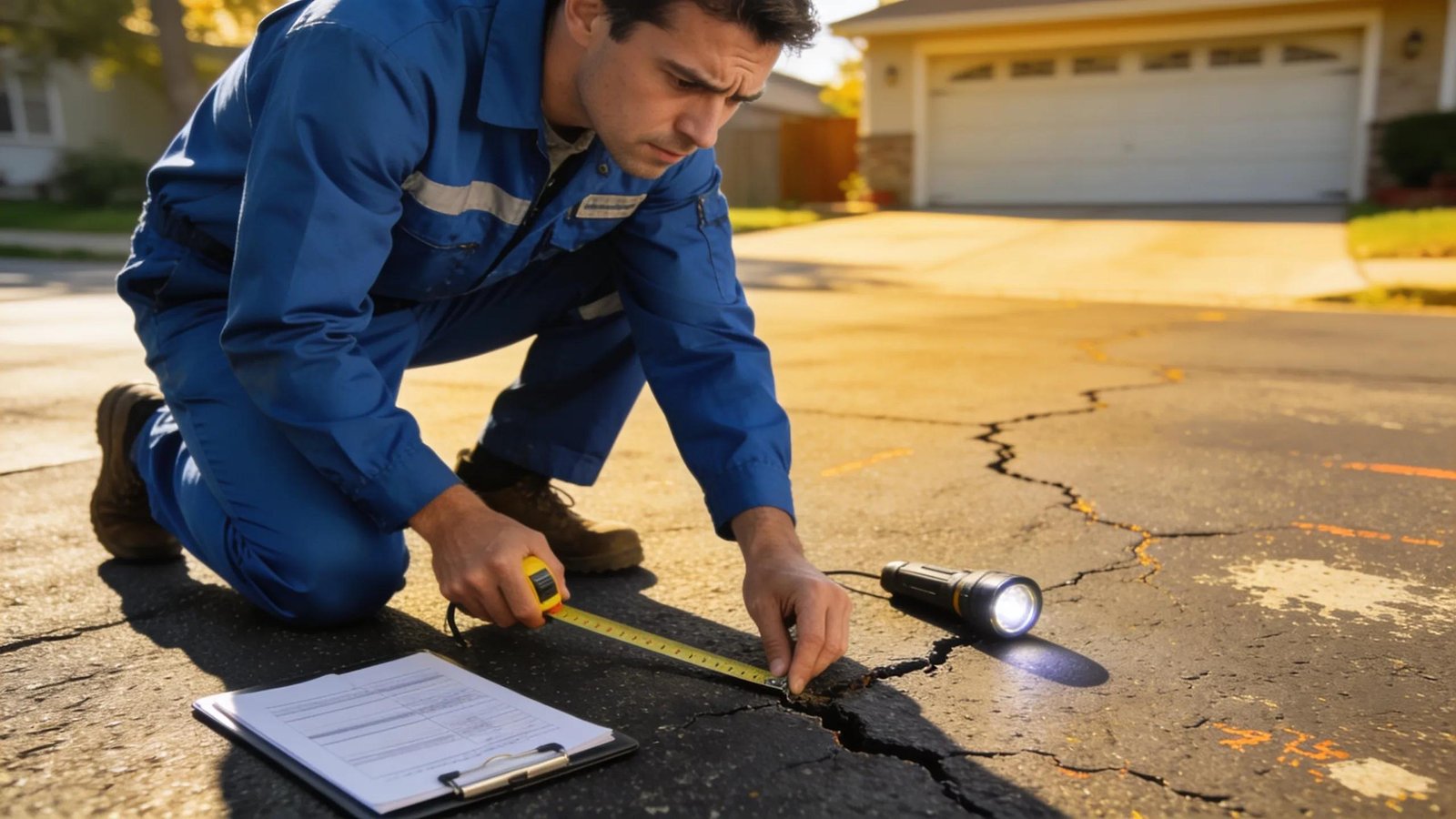
Professional assessments provide accurate condition analysis. Arrow Asphalt performs thorough evaluations to help homeowners decide whether repair or replacement is the most appropriate course of action.
What Inspection Processes Does Arrow Asphalt Use to Evaluate Driveway Condition?
Arrow Asphalt employs comprehensive inspection methods that include visual assessments and structural evaluations, focusing on:
- Crack Analysis: Checking for patterns and depth of cracks
- Surface Checking: Evaluating for raveling and potholing
- Foundation Stability: Ensuring the base remains intact for effective repairs
These methods produce a reliable evaluation of a driveway’s condition.
How Can Clients Request Estimates and Consultation Services?
For homeowners interested in professional advice, Arrow Asphalt offers straightforward consultation services. Clients can easily reach out via:
- Phone: 405.493.8580
- Email: info@arrowasphalt.net
Contact Arrow Asphalt to request estimates and tailored recommendations; their team provides clear cost guidance and practical repair options.
Frequently Asked Questions
What is the typical lifespan of an asphalt driveway?
Most asphalt driveways last about 15 to 20 years, varying with climate, maintenance and traffic. Regular sealcoating and timely repairs can extend that service life. Homeowners should inspect driveways and address issues promptly to maximise durability.
How can I prepare my asphalt driveway for winter?
Prepare for winter by clearing debris and ensuring proper drainage to avoid standing water. Apply a sealcoat before winter to add protection against moisture and freeze-thaw cycles. Use a snow shovel rather than a metal plow to minimise surface damage during snow removal.
What should I do if I notice cracks forming on my driveway?
Act promptly: clean dirt and debris from cracks, then fill them with an appropriate asphalt crack filler. Larger cracks may require professional repair. Early intervention prevents cracks from worsening and becoming more costly to fix.
Is sealcoating necessary if my driveway is not showing visible damage?
Yes. Sealcoating is preventive maintenance that shields asphalt from UV rays, moisture and chemicals. Applying sealcoat every 2 to 3 years helps maintain appearance and prolong service life, reducing the risk of future damage.
Can I do asphalt repairs myself, or should I hire a professional?
Homeowners can perform minor repairs such as filling small cracks and patching shallow potholes. For extensive damage or structural concerns, hire a professional with the necessary equipment and experience to ensure durable results.
How often should I conduct inspections on my asphalt driveway?
Inspect your driveway at least twice a year, ideally in spring and fall, to check for winter damage and summer wear. Look for cracks, raveling and signs of settling. Early detection allows for timely repairs and helps maintain the driveway’s condition.
Conclusion
Recognizing the signs that your asphalt driveway needs repair or replacement helps protect its lifespan and preserves property value. Address cracks and potholes promptly to avoid costlier work later. Consult professionals such as Arrow Asphalt for expert assessments and tailored solutions, and review our services to keep your driveway safe and in good condition.


