

Lifespan of Your Asphalt Driveway: Essential Replacement Signs and Maintenance Insights
Asphalt driveways are a common choice for homeowners because they are durable and require relatively low maintenance. Knowing how long an asphalt driveway typically lasts helps with budgeting and scheduling repairs or replacement. This article explains average lifespans, the warning signs that indicate replacement is needed, and maintenance practices that can extend service life. It also covers cost and timing considerations so you can make informed decisions about upkeep and replacement.
What Is the Average Lifespan of an Asphalt Driveway?
The typical lifespan of an asphalt driveway falls between 15 and 20 years. Longevity depends on several factors, including installation quality, traffic levels, local climate, and maintenance. A correctly installed driveway with good drainage and regular care will approach the upper end of that range, while poor installation or neglect will shorten its life.
How Do Maintenance and Climate Affect Asphalt Longevity?
Regular maintenance is essential to extend an asphalt driveway’s lifespan. Periodic sealcoating protects the surface from UV exposure, rain, and snow. Areas with extreme temperature swings require closer attention because thermal expansion and contraction drive crack formation. Promptly filling cracks and patching potholes preserves the pavement and improves durability. For comprehensive services and professional guidance on asphalt maintenance, consider Arrow Asphalt LLC.
What Are the Typical Asphalt Driveway Lifespan Estimates?
Lifespan varies with use and environment. Residential driveways with moderate traffic commonly last around 20 years. Driveways exposed to heavy vehicle loads or those that were poorly constructed can require replacement after 10 to 15 years. These estimates help homeowners plan maintenance and future replacement costs.
What Are the Most Common Signs Your Asphalt Driveway Needs Replacement?
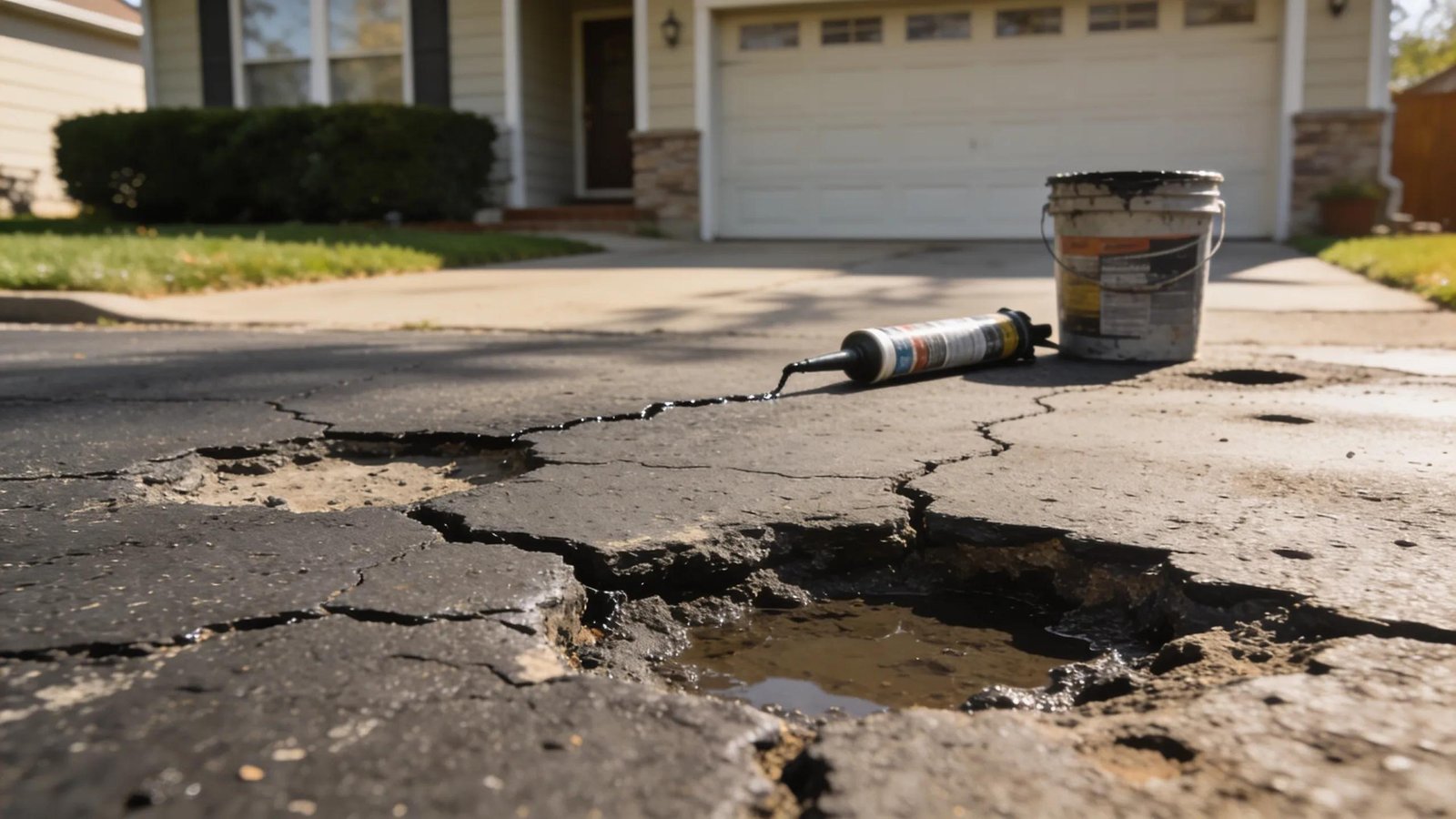
Early recognition of replacement indicators reduces the risk of more costly repairs later. Common signs include widespread cracking, persistent potholes, and significant surface fading. Identifying these issues promptly preserves property value and safety.
How Does Cracking Indicate Replacement Needs?
Cracking is often the first visible sign of pavement distress. Small cracks may be repaired effectively, but large or interconnected cracks suggest deeper structural failure. When cracking is extensive across the surface, full replacement is frequently the most durable and cost-effective option.
When Do Potholes and Surface Deformations Signal Replacement?
Potholes are serious defects that usually reflect underlying base failure. If left untreated, they will expand and accelerate deterioration. Surface deformations such as alligator cracking indicate that the pavement has lost structural integrity. In these circumstances, replacement is often necessary, as isolated repairs will provide only temporary relief.
How Can Proper Maintenance Extend Your Asphalt Driveway’s Lifespan?
Consistent, proactive maintenance materially prolongs the useful life of an asphalt driveway. Scheduled upkeep protects the surface and limits progressive damage.
What Are Effective Asphalt Driveway Maintenance Tips?
Homeowners should adopt several proactive maintenance strategies that can include:
- Regular Sealing: Applying sealant every 1-3 years to protect against moisture and UV damage.
- Crack Filling: Promptly addressing cracks with sealant or filler to prevent them from expanding.
- Routine Inspections: Checking for signs of wear at least twice a year to catch potential issues early.
These measures preserve appearance and extend the driveway’s functional life.
How Does Regular Asphalt Crack Repair Delay Replacement?
Timely crack repair prevents minor damage from becoming structural failure. Many basic repairs are achievable with modest expense. Addressing cracks when they first appear helps retain the pavement’s integrity and delays the need for a full replacement.
Knowing the most effective repair methods is important for improving pavement performance. The following review summarizes key strategies to protect asphalt against environmental stressors.
Asphalt Pavement Durability: Contributing Factors, Evaluation, and Enhancement Strategies
Durability refers to the long‑term response of pavement mixtures to environmental stressors such as moisture and temperature variation. Current asphalt mix design protocols use trials to achieve a balanced design across several critical mix properties. These properties include stability, flexibility, fracture or tensile strength, and resistance to fatigue, skidding, and moisture damage. This study provides a structured framework outlining the factors that affect asphalt pavement durability, relevant indicators, laboratory testing methods, and various techniques for improvement.Evaluating the durability of asphalt mixtures for flexible pavement using different techniques: a review, 2026
When Should You Choose Asphalt Repair Over Replacement?
Deciding between repair and replacement requires evaluating repair costs, the extent of damage, and the expected life of the repair. Consider the long‑term outcome when choosing the best approach for your driveway.
What Repair Methods Are Available for Asphalt Driveways?
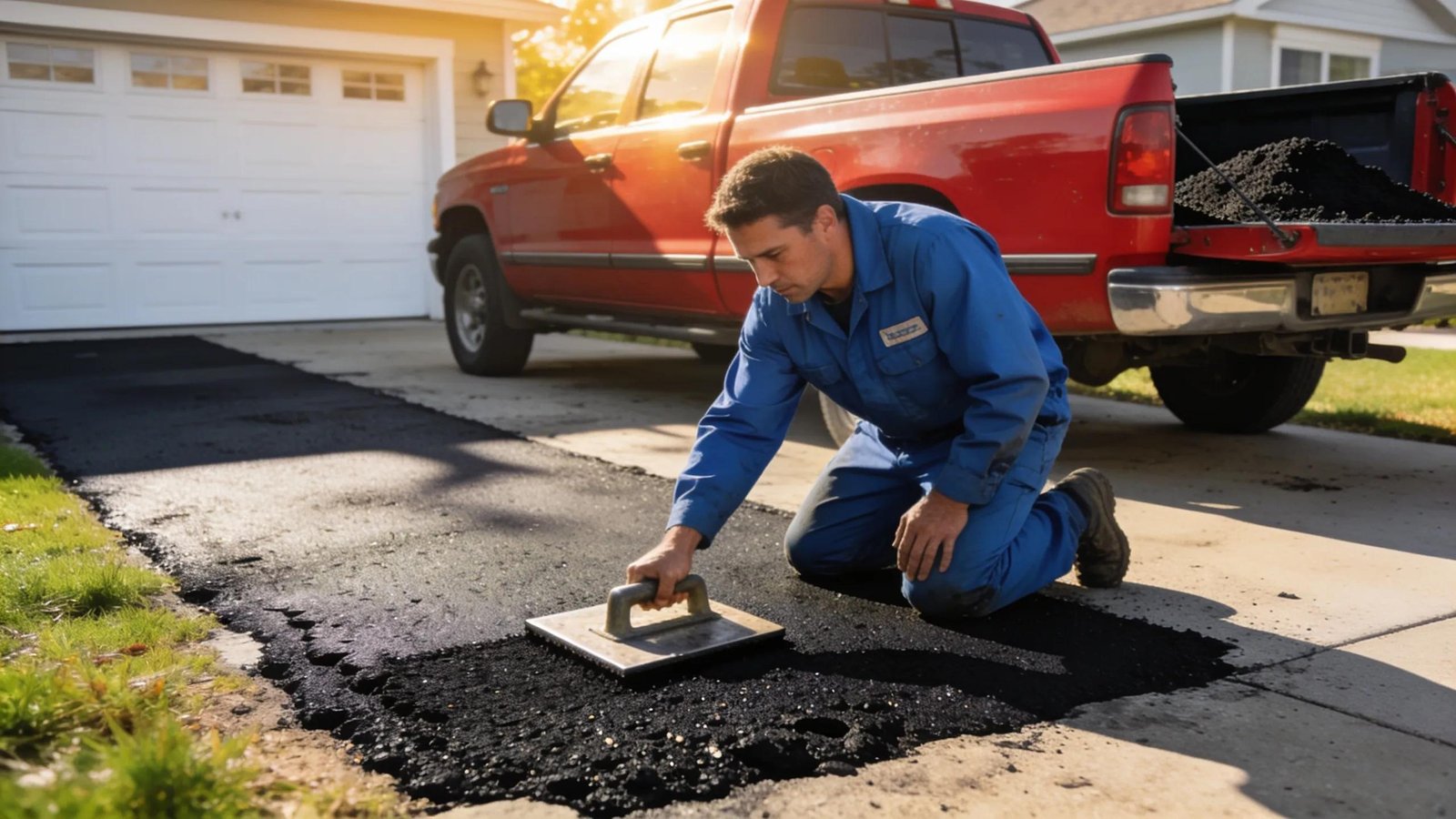
Common repair methods include several established approaches:
- Overlay: Adding a new layer of asphalt over the existing driveway to restore the surface.
- Patch Repair: Filling specific areas with asphalt to target damage directly.
- Full Replacement: Removing and replacing the entire surface when damage is extensive.
Each option has advantages and limitations. Assess the driveway’s condition carefully before selecting a method. For a full range of asphalt driveway services, including repairs and overlays, consult qualified professionals.
How Do You Decide If Repair Is a Viable Solution?
Base the decision on damage extent and structural impact. Localised defects that do not affect the base can often be repaired. If greater than 25% of the surface shows significant deterioration, replacement is typically more economical. A professional assessment will clarify the best course of action.
What Are the Cost and Timing Considerations for Asphalt Driveway Replacement?
Understanding project costs and scheduling requirements is essential for planning a replacement. Accurate estimates help homeowners budget and choose appropriate timing.
How Does Driveway Condition Influence Replacement Timing?
The driveway’s condition determines when replacement becomes advisable. When repairs are frequent and costs rise, replacement may be the more practical choice. Compare ongoing repair expenses to the expected life of a new surface to guide the decision.
What Are Typical Costs Involved in Asphalt Driveway Replacement?
Costs vary by location, size, and project specifics. Typical pricing ranges from $3 to $7 per square foot. Additional work such as grading or improved drainage will increase the final cost. Homeowners should budget roughly $2,500 to $5,500 for an average driveway, recognising regional and material price differences.
How Do Environmental and Weather Factors Affect Asphalt Driveway Longevity?
Environmental conditions play a major role in asphalt durability. Awareness of these factors informs maintenance choices and replacement timing.
What Is the Impact of Seasonal Climate on Asphalt Integrity?
Freeze–thaw cycles common in winter accelerate surface damage. In hot climates, UV exposure accelerates surface breakdown. Different climates demand tailored maintenance to limit these effects and preserve pavement performance.
How Can You Protect Your Driveway Against Weather-Related Damage?
Mitigate weather damage by using quality sealants that provide UV protection and by eliminating standing water that can weaken the base. Scheduling maintenance during seasonal transitions improves long‑term performance and extends service life.
Frequently Asked Questions
1. How can I tell if my asphalt driveway needs sealing?
Visible surface wear, fading, and small cracks indicate that sealant protection has diminished. If water no longer beads and soaks into the pavement, sealing is due. Sealcoating is generally recommended every 1 to 3 years, depending on climate and traffic. Regular inspection will identify the optimal timing for sealing.
2. What is the best time of year to replace an asphalt driveway?
Late spring through early fall is the preferred window for replacement because warm, stable temperatures allow proper compaction and curing. Avoid winter work and periods of extreme heat to prevent improper set or inadequate curing.
3. What impact do heavy rains have on my asphalt driveway?
Heavy rain, especially where it causes standing water, can undermine the pavement base and accelerate cracking and pothole formation. Maintain proper drainage and repair cracks promptly to reduce water‑related deterioration.
4. Can I perform DIY repairs on my asphalt driveway?
Homeowners can handle basic repairs such as sealing small cracks and applying patch material to minor potholes. Larger or deeper problems generally require professional repair. Use quality materials and follow product instructions to ensure durable results.
5. How can I improve the drainage around my asphalt driveway?
Improve drainage by ensuring adjacent grades slope away from the driveway, installing channels or French drains where needed, and keeping gutters and downspouts clear. Proper drainage prevents water pooling and related structural damage.
6. What are the environmental considerations for asphalt driveways?
Asphalt is widely recyclable, which reduces environmental impact. Some producers reuse reclaimed asphalt in new mixes. Porous asphalt offers an eco‑friendly option by allowing water infiltration and reducing runoff. Consider environmentally sensitive sealants to limit harmful chemicals.
7. How often should I perform driveway inspections?
Inspect the driveway at least twice per year, particularly during seasonal changes. Look for cracks, fading, and surface deformation. Regular checks enable early intervention and help avoid costly repairs.
Conclusion
Appropriate maintenance is essential to preserve an asphalt driveway and extend its service life. By recognising wear indicators and applying timely maintenance, homeowners can reduce replacement costs and maintain curb appeal. Regular inspections and prompt repairs deliver long‑term savings. For tailored advice and professional asphalt services, consult qualified contractors.


